Egypt is not a place you simply visit.
It is a place that shifts your sense of time.
It is a place that shifts your sense of time.
Here, stone, light, silence and memory seem to exist in layers.
What once felt distant suddenly stands before you — not as history in a book, but as something physical, immense and still alive.
What once felt distant suddenly stands before you — not as history in a book, but as something physical, immense and still alive.
This series is not only about what Egypt looks like.
It is about what it leaves behind in you.
It is about what it leaves behind in you.
Some places do not belong entirely to the present.
Egypt feels like one of them.
A land where every surface seems to carry the weight of something older than memory itself.
A land where every surface seems to carry the weight of something older than memory itself.
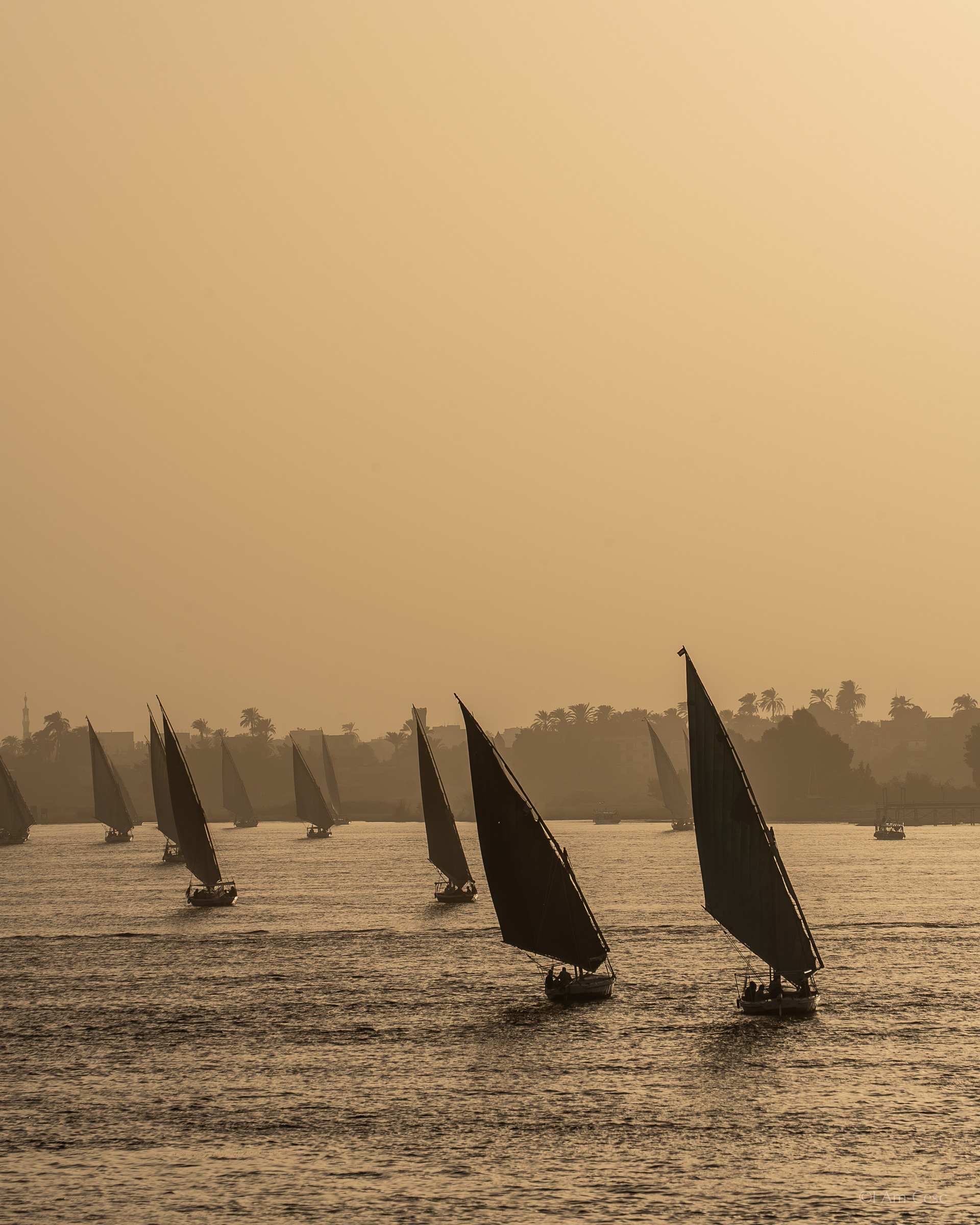
The Nile does not rush.
It remembers.
It remembers.
It has carried life, faith, trade, empire and loss —
and still moves with the calm of something that has seen everything before.
and still moves with the calm of something that has seen everything before.
The light enters slowly here,
as if it knows it must be respectful.
as if it knows it must be respectful.
Not every place asks to be understood.
Some only ask you to stop, look, and feel.
Some only ask you to stop, look, and feel.
There are places whose greatness does not need explanation.
You stand in front of them, and for a moment, everything becomes quieter.
Smaller.
More temporary.
Smaller.
More temporary.
Nothing escapes time.
Not kings.
Not gods.
Not even what once seemed eternal.
Not gods.
Not even what once seemed eternal.
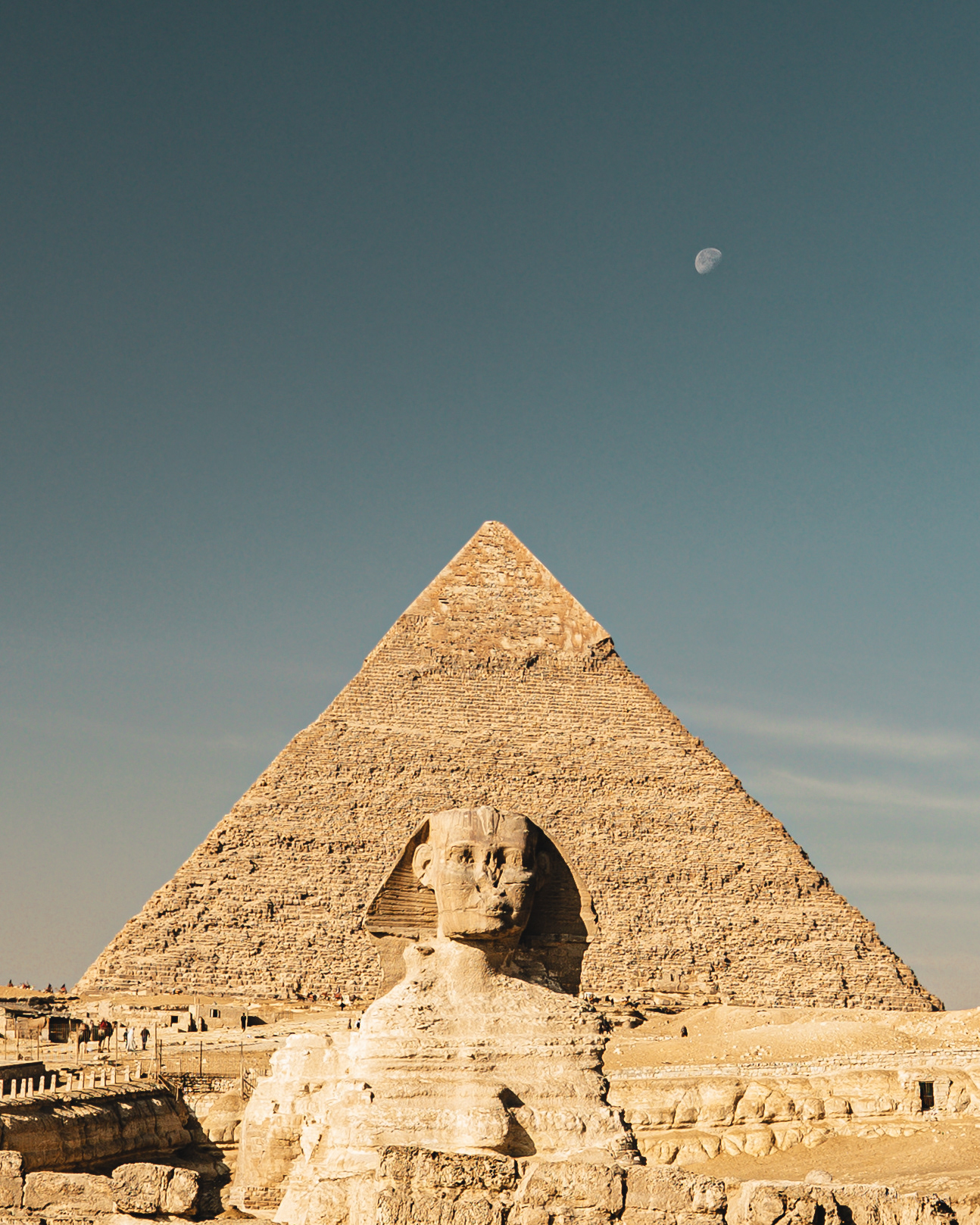
The desert does not erase.
It preserves.
It preserves.
It covers everything in dust and silence, yet somehow protects what time has not fully managed to take away.
Egypt does not live only in its monuments.
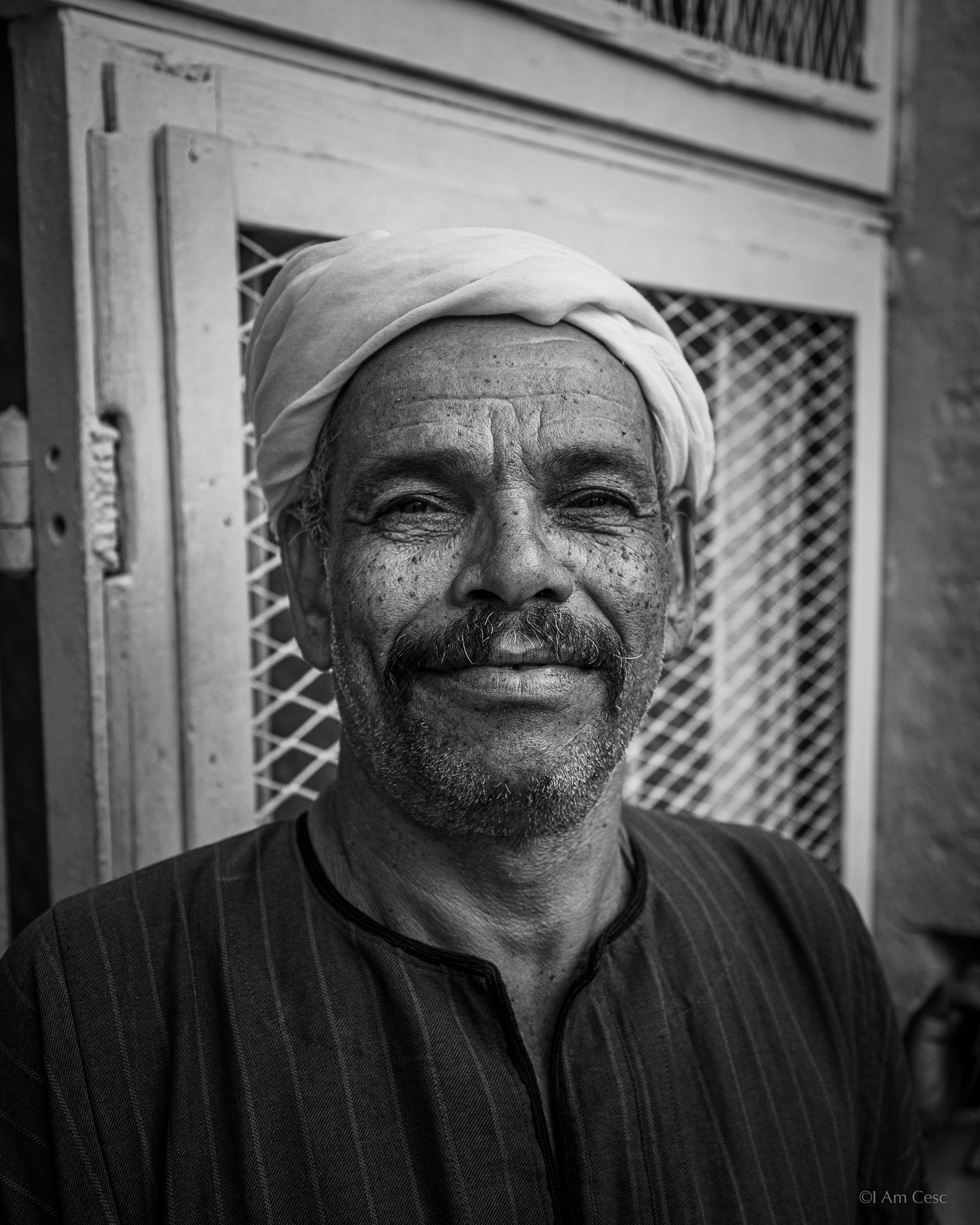
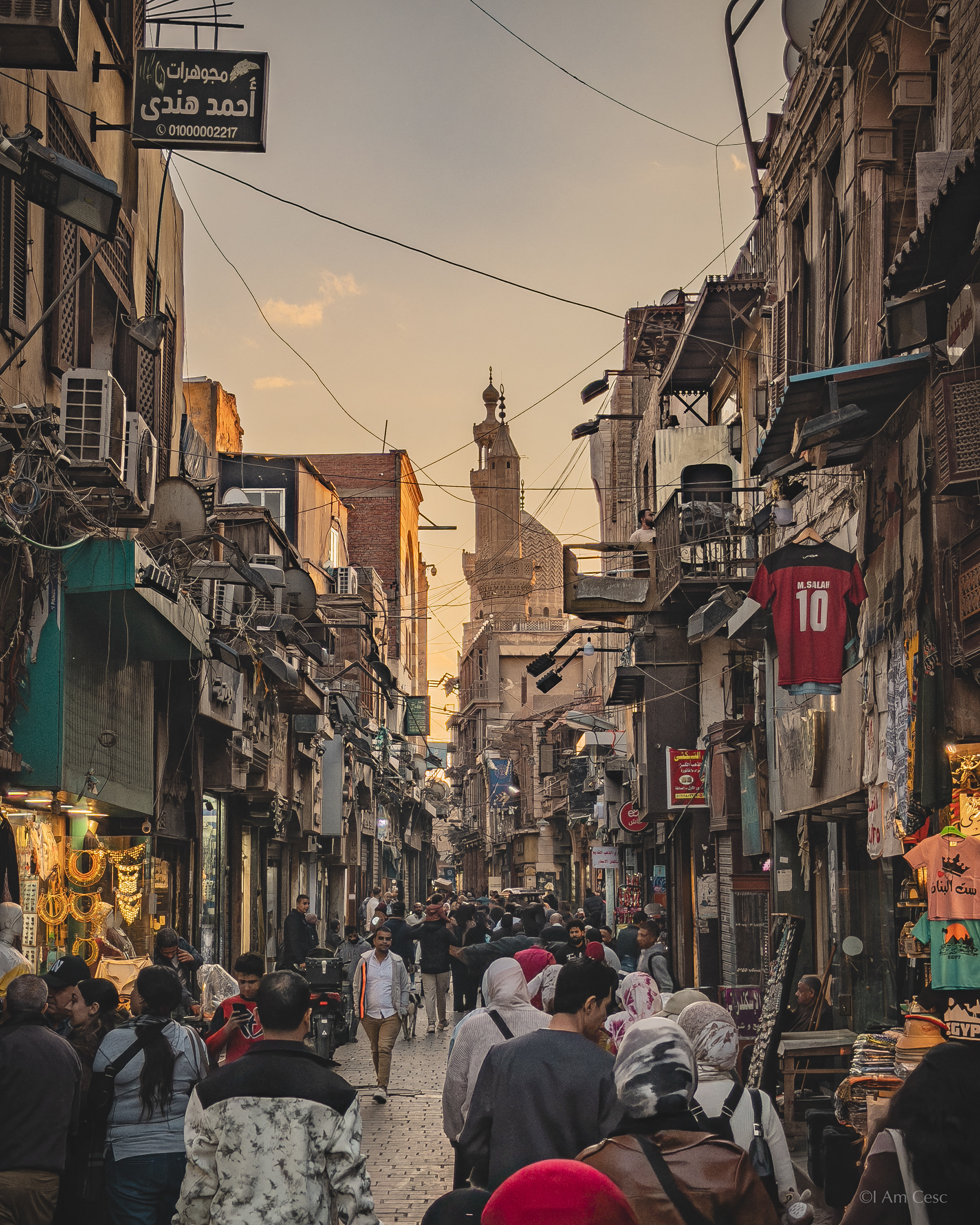
It lives in gestures, voices, streets, boats, windows, dust, and everyday light.
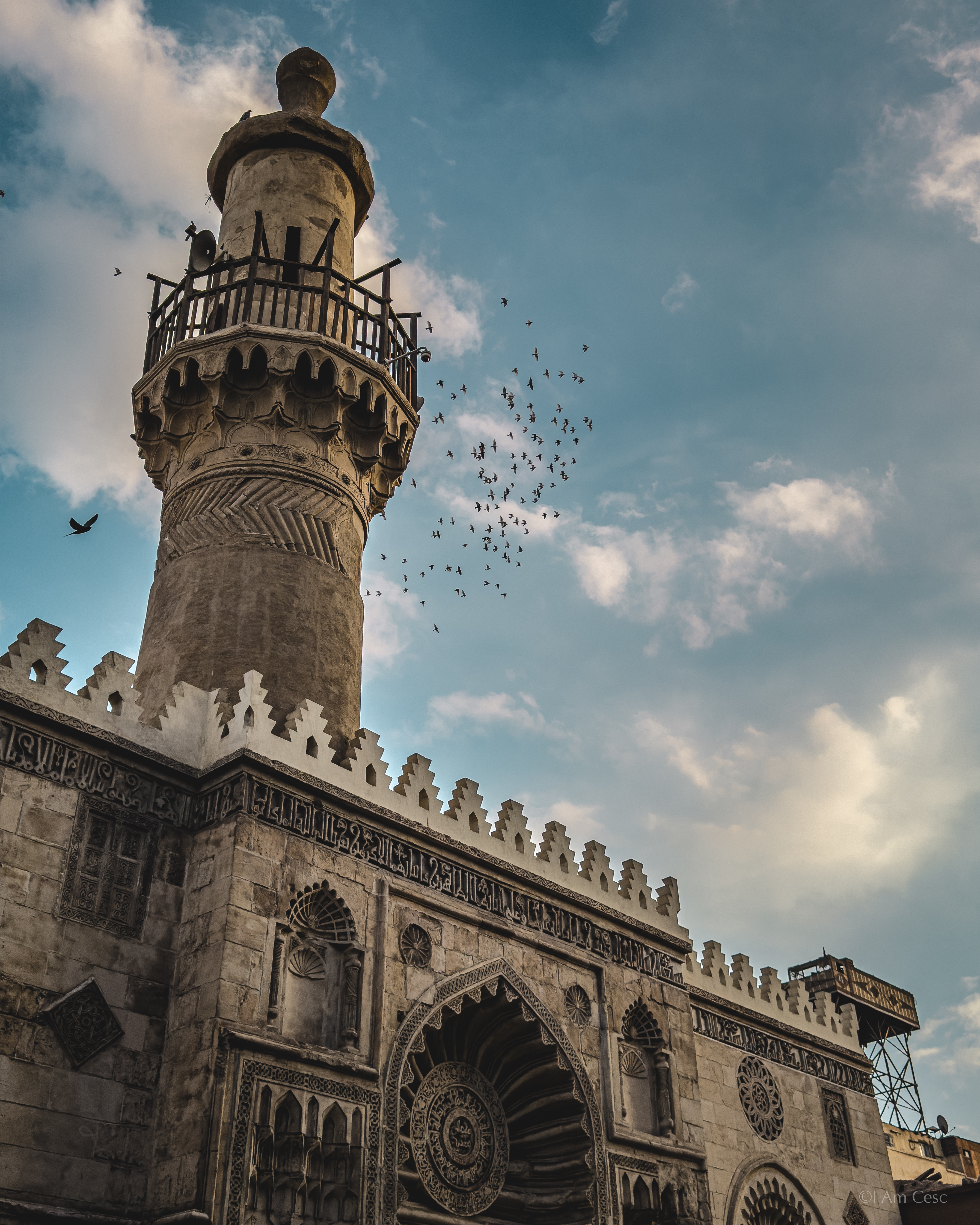
The ancient and the present continue side by side, under the same sun
The ancient and the present continue side by side, under the same sun
Before screens, there were walls.
And on them, the same human desire we still carry today:
to leave a mark,
to be seen,
to be remembered.
to leave a mark,
to be seen,
to be remembered.
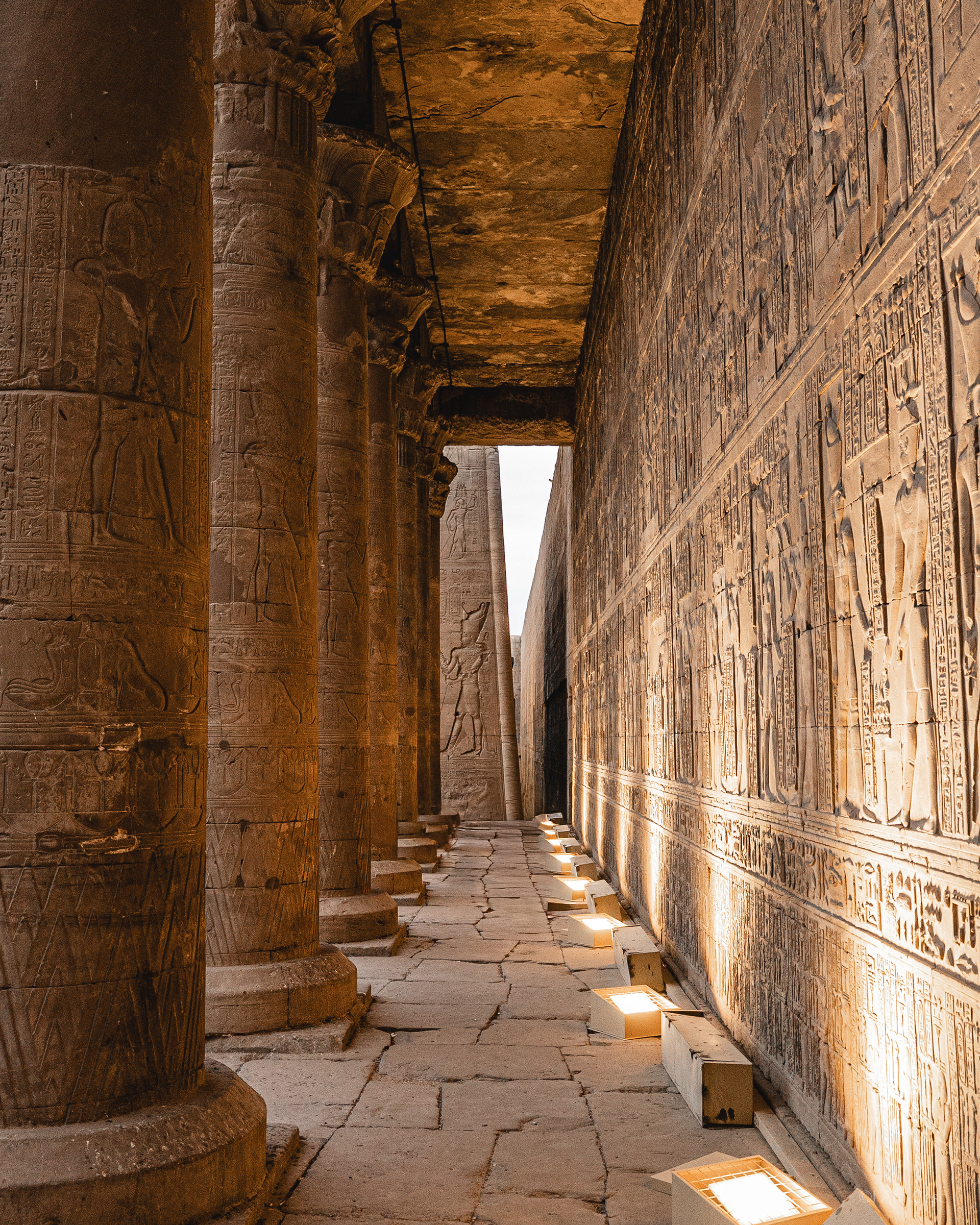
Nothing here feels merely built.
It feels inscribed.
It feels inscribed.
Columns, shadows, walls, stone — all of it seems shaped by the same desire:
to remain.
to remain.
Some journeys do not stay in the camera.
They stay somewhere deeper —
as a feeling,
as a question,
as a quiet shift in the way you look at the world.
as a feeling,
as a question,
as a quiet shift in the way you look at the world.
Everything passes.
Not everything disappears.
Not everything disappears.
Maybe that is why Egypt stays with us.
Because it reminds us that time takes almost everything —
but some things resist:
Because it reminds us that time takes almost everything —
but some things resist:
stone,
beauty,
faith,
memory,
and the human need to leave something behind.
beauty,
faith,
memory,
and the human need to leave something behind.